Foraleni Review
── ABOUT THE PUBLICATION ──

Notes from
the Editor

Foraleni Review was founded in London with a single, methodical ambition: to document the quieter, more considered side of nutritional awareness. Not trending protocols or seasonal anxieties, but the recurring observation that steady, everyday food choices accumulate into something genuinely meaningful over time.

The publication operates on the principle that good nutritional writing does not require drama. A well-sourced observation about seasonal cooking, carefully presented, is more useful to a reader than any declarative guide built on urgency or scarcity.

Each issue brings together contributing writers from backgrounds in nutrition communication, food science writing, and fitness journalism. Every article passes through a minimum of two editorial reviews before appearing on the site.

Editorial portrait of a woman writing in a notebook at a desk under soft natural light from a north-facing window

Harriet Marsden, Lead Editor. Foraleni Review editorial office, Soho, London.

── ── ── ── ── ── ── ── ── ── ── ── ── ── ── ── ── ── ── ──
01 / EDITORIAL MISSION

What Foraleni Review documents

The publication covers the practical and thoughtful dimensions of daily nutrition — not as a instructive guide, but as an ongoing editorial record. Rather than advocating for particular dietary frameworks, writers observe how shifts in seasonal cooking change the texture of a week, what structured meal planning reveals about personal habit formation, and why portion awareness functions better as a practice than as a calculation.

Coverage spans wholefood cooking, gut-supportive eating patterns, weight management as a long-term consideration rather than an acute intervention, sport and fitness nutrition, and the particular pleasures of cooking with seasonal produce. The editorial voice is quiet, methodical, and sceptical of urgency.

Foraleni Review is an independent editorial publication. Articles reflect the considered observations of contributing writers and editors. The publication is not affiliated with any healthcare, nutrition, or governmental body.

Independent
No affiliation with commercial sponsors or nutrition brands
Sourced
Articles reference peer-reviewed research and institutional sources
Reviewed
Minimum two editorial passes before publication
02 / CONTRIBUTING WRITERS

The editorial team

Portrait of a woman with a thoughtful expression seated at a writing desk surrounded by books and notebooks in warm studio light
Lead Editor

Harriet Marsden

Harriet holds a background in nutrition communication and has spent a decade writing about seasonal cooking, wholefood preparation, and the everyday application of dietary awareness. She founded Foraleni Review to bring a quieter, more methodical register to nutrition writing.

Read her work
Portrait of a man in a casual linen shirt reviewing handwritten notes at a wooden table under daylight from a tall window
Contributing Writer

Tobias Coverdale

Tobias writes on meal planning, portion awareness, and structured weekly cooking. His background is in food science communication and fitness journalism. He brings a practical, data-considered approach to the everyday organisation of nourishing eating.

Read his work
Portrait of a woman outdoors in natural morning light wearing athletic wear and holding a small notebook with an attentive expression
Guest Writer

Imogen Standish

Imogen's work focuses on the intersection of movement, appetite, and daily nutrition. She contributes guest observations drawn from her background in fitness writing and her ongoing personal practice of documenting how activity influences food choices over extended periods.

Read her work
── ── ── ── ── ── ── ── ── ── ── ── ── ── ── ── ── ── ── ──
03 / WHAT WE COVER

Topics and editorial scope

Foraleni Review organises its editorial coverage around fifteen interconnected areas of everyday nutritional life. The topics below represent the recurring subjects of observation in the publication — not a fixed syllabus, but a practical map of the terrain.

Coverage is updated as new research becomes relevant and as the seasonal calendar shifts the focus of available produce. The editorial team reviews the topic index quarterly and adjusts priorities based on reader correspondence and the state of the published literature.

01
Balanced Meals
02
Seasonal Cooking
03
Whole Foods
04
Mindful Eating
05
Meal Planning
06
Portion Awareness
07
Gut-Friendly Recipes
08
Active Lifestyle
09
Nutritionist Guidance
10
Vegetables & Fruits
04 / EDITORIAL PROCESS

How an article reaches publication

01

Subject Identification

Writers propose topics drawn from published research, personal observation, or correspondence from readers. Proposals are reviewed by the lead editor for editorial fit and factual grounding.

02

Research & Field Notes

The writer researches the topic across peer-reviewed journals, institutional nutrition bodies, and direct observation. Primary sources are recorded and available on request.

03

First Editorial Review

A second editor reviews the draft for accuracy, tone, and clarity. Factual claims are cross-referenced against cited sources. The writer responds to any editorial notes before a second pass.

04

Publication

The article is published with a clear attribution, publication date, and editorial notice. Corrections, if required after publication, are noted publicly at the foot of the article.

05 / THE OFFICE
Quiet editorial workspace with a wooden desk, open notebooks, and afternoon light falling through tall sash windows
Shelf of nutrition and food science reference books in a well-organised editorial library under warm incandescent light
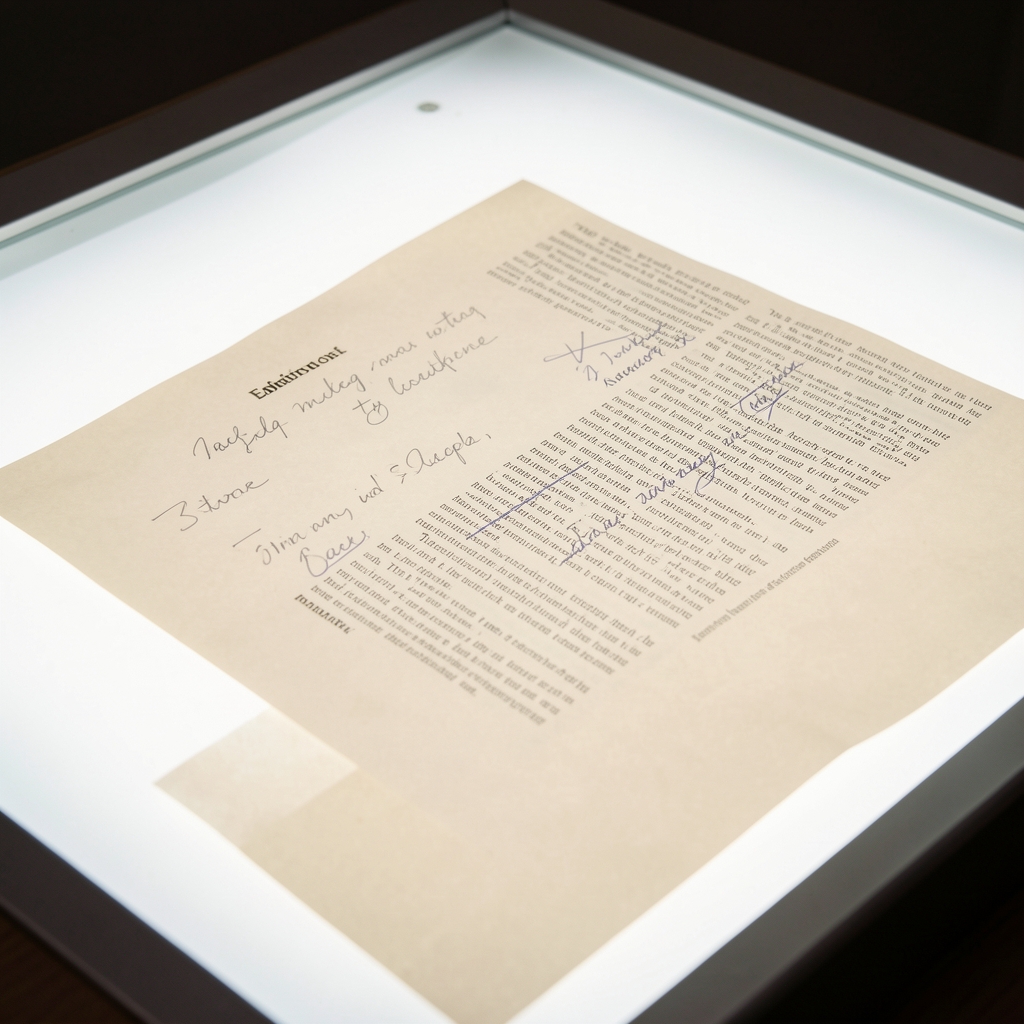
Close-up of a printed article proof on a lightbox with handwritten editorial corrections in pencil
Seasonal ingredients arranged for a recipe observation alongside a handwritten field notes journal on a rough linen surface
06 / FREQUENTLY ASKED

Common questions